The paper backup protocol: what I print before every trip
A phone is a single point of failure, so I built a six sheet paper packet and carried it for three trips. One cold morning settled the question.
Every reservation I make now lives behind a screen, and the arrangement works right up until it does not. The phone that holds my confirmations also holds my maps, my tickets, and my contact list. One dead battery, one cracked screen, or one locked account takes all of them down at once.
So I ran a trial on the oldest backup system I know: paper. The hypothesis was modest. A small printed packet, built from a fixed checklist, should cover the common failure cases for almost no weight and almost no effort. I capped the cost at ten minutes of preparation and about thirty grams of cargo.
This is the report from three trips with the packet riding in my bag: the protocol itself, the field notes, the parts that failed, and the one cold morning that settled the question for me.
The method
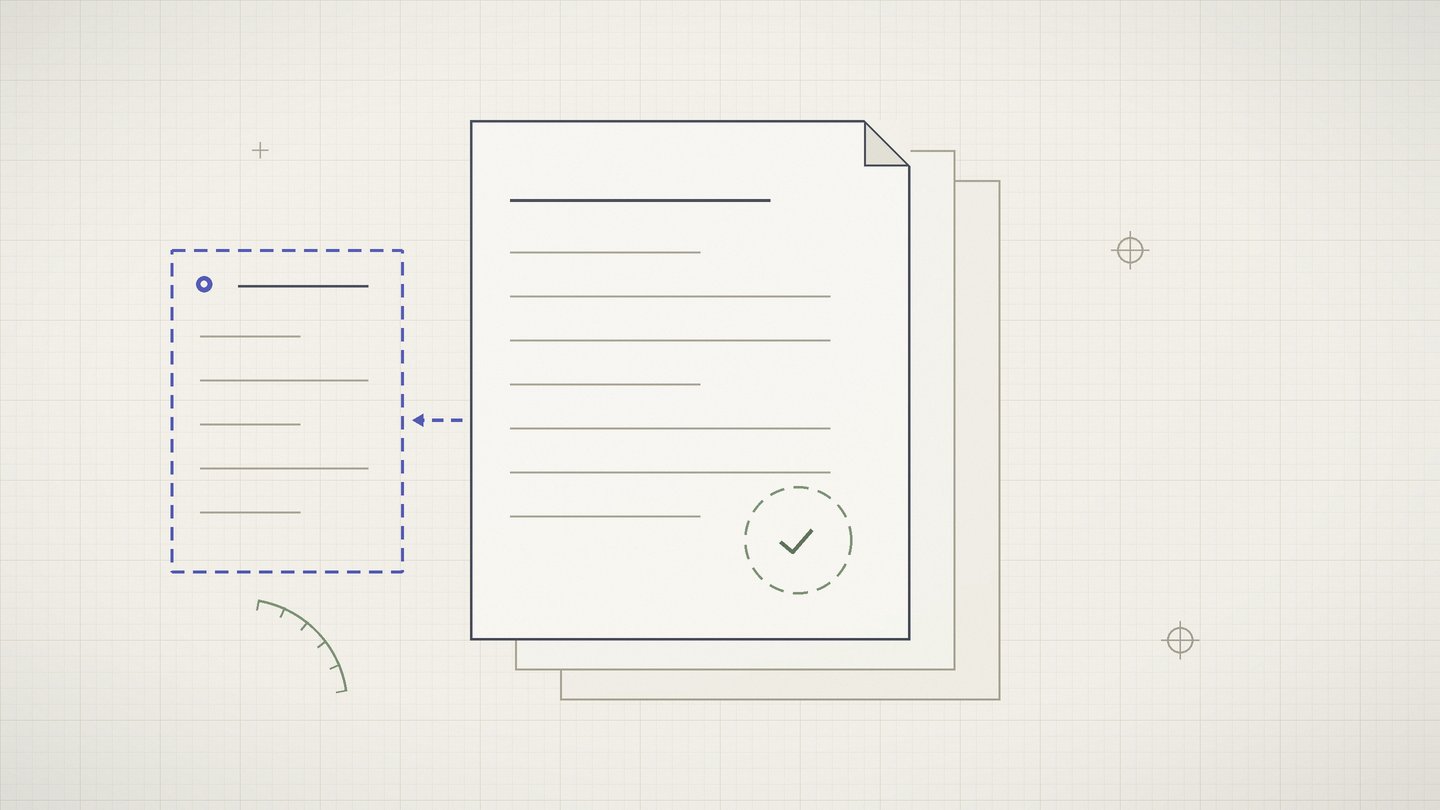
The protocol is a checklist, and the checklist is the whole method. The packet is six sheets, printed single sided so the backs stay free for notes. Each sheet has exactly one job, and the jobs do not overlap.
- Sheet 1, reservations: lodging name, street address, front desk phone, confirmation number, and exact dates, one block per booking.
- Sheet 2, transport: departure times, station and terminal names, seat or car assignments, and every confirmation code set in large type.
- Sheet 3, people: each phone number I would want in a bad week, written out in full, plus my own home address and number.
- Sheet 4, the map: a print of roughly twelve blocks around where I sleep, with the lodging, the station, and a late night grocery marked by hand.
- Sheet 5, identification: a plain photocopy of my ID, kept only in the copy that stays buried in the duffel.
- Sheet 6, blank: nothing at all, because a dependable place to write turns out to matter more than I expected.
Copies follow a three place rule. Copy one rides in the day bag inside a plastic zip bag, always in the same pocket. Copy two lies flat inside the duffel lining, where it adds nothing I can feel. Copy three stays home with a person who knows my route and would answer a strange call.
Two housekeeping rules hold the system together. Every sheet carries a print date in the footer, and any change to any booking triggers a full reprint, never a pen correction. When the trip ends, the packet goes through the shredder, because confirmation numbers and an ID copy do not belong in a recycling bin.
Field notes
The packet rode along on three outings between late February and mid April: a one day drive into the high desert, a working weekend by rail, and an overnight in a town small enough to close by nine. That added up to six field days of carrying paper I mostly did not touch.
Mostly not touching it is the point, but I still kept score. I logged fourteen moments when I reached for a stored fact, and the phone answered eleven of them faster. Paper won when my hands were full at a counter, when the battery sat deep in the red, and once when handing a screen across a desk simply felt wrong.
The save came on the rail weekend. Sunday, 7:40 am, and the overnight cold had dragged the phone from forty percent down to three. The front desk computer at my lodging had gone down overnight, and the clerk needed a confirmation number before releasing my held bag. Copy one came out of the zip bag, sheet 1, second block, and the number sat on the desk inside thirty seconds. I had the bag by 7:44, and the phone stayed dark until the train, where a seat with an outlet finally turned up.
Sheet 4 earned its keep the same morning. The walk from the lodging to the station crosses a five way intersection that my memory had quietly simplified into a four way one. The hand marked map settled the disagreement without a single glance at a screen, and I reached the platform with nine minutes to spare.
What broke
Version one of the packet failed by being a book. I printed twenty two pages for the February test walk, including full day plans and background reading, and then referenced none of the extra pages even once. Anything past six sheets stops being a backup and starts being luggage.
Ink was the second failure. My home printer lays down ink that smears under one wet thumb, and a light February drizzle proved that on the very first outing. The zip bag solved the water problem, and moving the print job to the laser machine at my library solved the smearing.
Staleness was the third failure, and the only one that genuinely worried me. A departure moved forty minutes earlier while I was mid trip, my phone knew, and my paper calmly disagreed. I caught the mismatch at breakfast only because the print date in the footer looked older than it should have. That near miss produced the reprint rule, because paper that argues with reality is worse than no paper at all.
The map broke once too. My first print covered half the town, and the street names dissolved into gray fuzz at that scale. Twelve readable blocks beat an entire district I cannot actually read.
The numbers
Assembly took twenty four minutes the first time, and most of that went to deciding what deserved a sheet. With the checklist settled, the second build took nine minutes and the third took eight. The finished packet weighs thirty one grams on my kitchen scale, roughly the weight of six crackers.
I also timed retrieval across ten trials at my desk. Pulling a confirmation number from the phone averaged twenty six seconds, counting the unlock, the mail search, and the scroll. Pulling the same number from sheet 1 averaged nine seconds flat. The phone wins on everything I did not print, which is nearly everything, and the paper wins on the six facts that matter most when a morning goes sideways.
The verdict
The paper backup protocol stays in my trip preparation, with honest limits attached. It costs about nine minutes and six sheets per trip, and on most trips every sheet comes home untouched. It cannot replace the phone, it goes stale the moment a plan shifts, and it protects nothing if all three copies ride in the same bag. The shredding step adds a small chore at the end, and I sometimes resent it. But the protocol asks very little, and on one cold Sunday it turned a stuck morning into a four minute errand. A backup that earns its place once a season is still a backup, and this one weighs less than a letter.
What was checked
- U.S. Department of State traveler checklist pages, reviewed April 2026
- Federal Emergency Management Agency notes on keeping copies of important documents
- Printing desk staff at my local library, Boise, conversation in April 2026